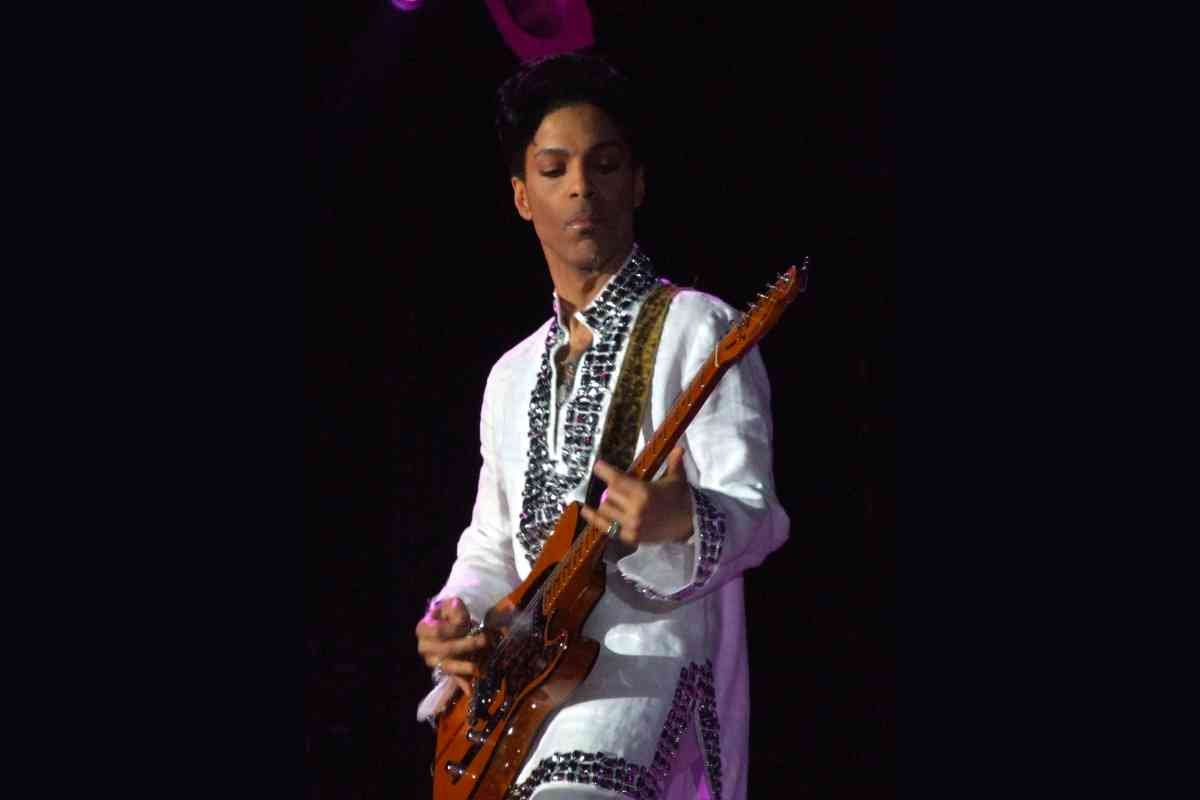
When Purple Rain arrived in 1984, it wasn’t just another pop record — it was a cultural shockwave that transformed Prince Rogers Nelson from a rising star into a global musical force. The album, soundtrack to the semi-autobiographical film of the same name, cemented Prince’s place in music history and remains an enduring touchstone across rock, R&B, pop, and beyond.
Purple Rain defied easy categorization. It fused hard rock guitar, funk grooves, soulful R&B vocals, gospel textures, and synthesizer pop into a cohesive whole that felt both groundbreaking and emotionally immediate. Songs like “When Doves Cry” — which topped the Billboard Hot 100 — and “Let’s Go Crazy” showcased Prince’s ability to push beyond genre boundaries while connecting with massive audiences. The title track itself, an epic power ballad with blistering guitar solos and vulnerable vocals, became his signature song.
This sonic adventurousness helped Purple Rain spend 24 weeks at No. 1 on the Billboard 200 and sell over 25 million copies worldwide, making it one of the best-selling albums of all time.
Prince had already released several albums by the early 1980s, but Purple Rain was their most ambitious project yet. The album functioned as the soundtrack to a feature film starring Prince as “The Kid,” a struggling musician navigating love, family tensions, and the pursuit of fame in Minneapolis. While the movie’s plot was a dramatized version of Prince’s own experiences, its emotional core — themes of love, loss, faith, and resilience — was universal.
The music itself was famously crafted with the input of The Revolution, particularly Wendy Melvoin and Lisa Coleman, whose contributions helped shape the record’s depth and richness. Tracks were recorded with a blend of live energy and studio precision, resulting in arrangements that felt both immediate and cinematic.
Purple Rain did more than top charts — it reshaped the musical landscape. Its genre-fluid approach broadened popular music’s horizons, encouraging artists to embrace eclectic influences. The album won multiple Grammy Awards, including Best Rock Performance by a Duo or Group with Vocal for its title track, and later earned a place in the GRAMMY Hall of Fame.
The title song itself transcended the studio. Prince’s performance of “Purple Rain” at Super Bowl XLI in 2007, complete with a literal purple rainstorm, is widely regarded as one of the greatest halftime shows in NFL history.
In the decades since its release, Purple Rain has become a cultural symbol — referenced in film, television, fashion, and even scientific studies examining musical influence. Prince’s legacy as a daring musical innovator remains inseparable from this work.
The phrase purple rain is more than a title; it’s poetic symbolism. Prince described it as a metaphor for spiritual transition: “When there’s blood in the sky… red and blue equals purple. Purple rain pertains to the end of the world and being with the one you love… letting your faith guide you through the purple rain.” This fusion of spiritual imagery, personal emotionality, and universal longing helped give the song its timeless resonance.
While Prince released brilliant work both before and after Purple Rain, this album stands as his defining moment — the intersection of commercial success and artistic freedom. It elevated him into the pantheon of artists whose work transcends eras, genres, and cultural boundaries.
Today, Purple Rain remains more than a collection of songs. It is a milestone in music history, a testament to creative risk-taking, and a reminder that the most powerful art often comes from the heart.