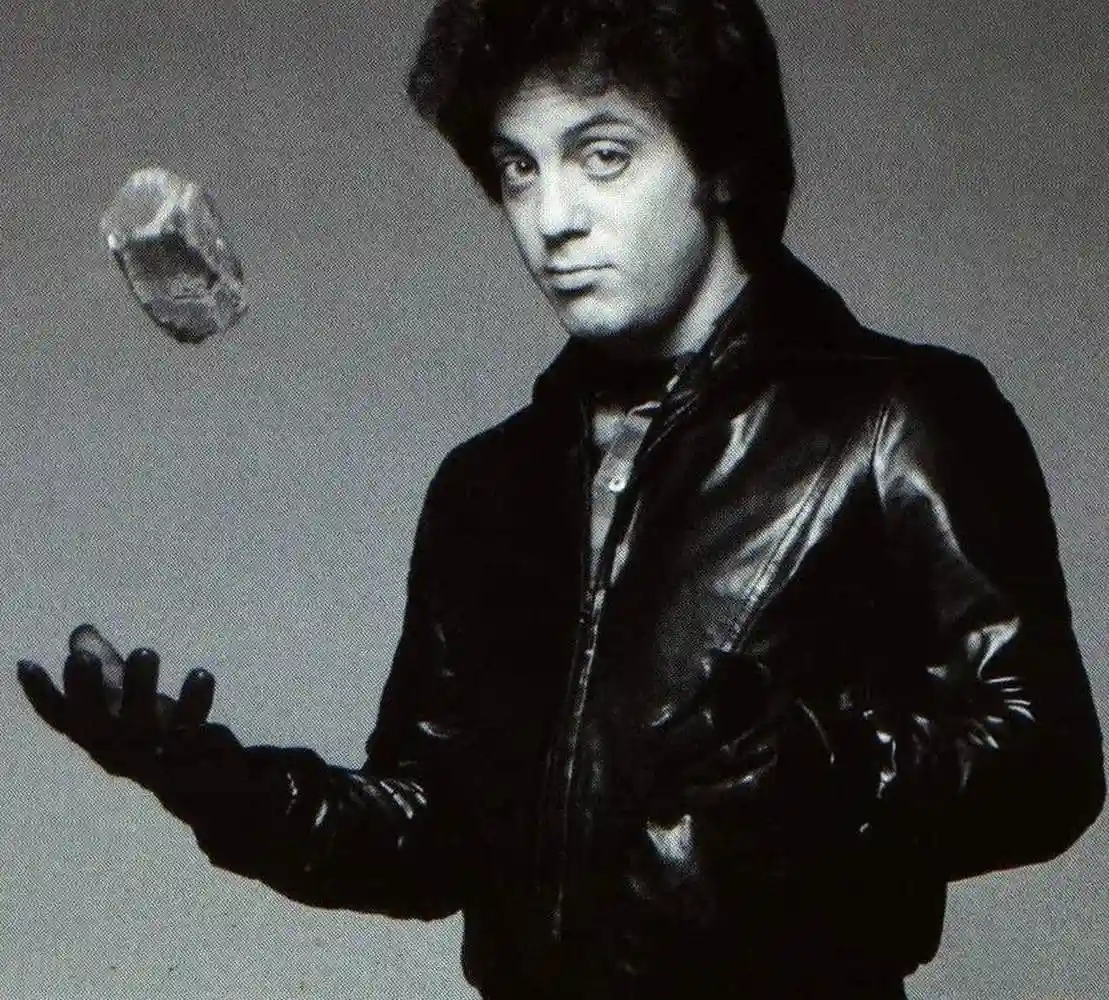
Billy Joel’s “Only the Good Die Young” is one of those songs that proved censorship can accidentally become marketing. The song was released in May 1978 as a preview single for The Stranger, and its blunt lyric about heaven and sinners quickly drew attention from religious groups.
According to Far Out’s June 6, 2026 write-up, the first person to object was Robert Conley, then president of Seton Hall College, before the song was banned by the Archdiocese of St. Louis and then pressured further in other religious areas, including Boston. Joel later recalled that once those bans hit, radio stations began treating the song like a controversy worth chasing.
Joel said the backlash actually helped. In his 2012 interview with Performing Songwriter, he recalled that the single was not doing especially well before the bans, but once the controversy started, sales picked up quickly. His line about the whole thing became the article’s central takeaway: “nothing sells a record like a ban or a boycott.”
The result was a perfect example of how a song can grow because of the very thing meant to suppress it. What began as a complaint about blasphemous lyrics ended up giving Billy Joel one of the most recognizable songs in his catalog.